
The most commonly cited start to the historic preservation movement is the Ladies of Mount Vernon’s valiant effort to raise funds to preserve George Washington’s home. As the first president of the United States, Ann Pamela Cunningham and her fellow advocates were dismayed at the dismal state of his home overlooking the Potomac River. In 1859 the deterioration was being held off with ship masts holding up the porch roof while termites and water damage took over. George Washington exemplified patriotism at a time when our young nation needed it. Today it stands as the longest restoration effort in America and the oldest national historic preservation organization.

While often termed the birthplace of historic preservation, it’s better labeled as the birthplace of preservation advocacy. Congresses refusal to purchase the estate led to the formation of the Mount Vernon Ladies Association to undertake the task.
Traveling back another 100 years though reveals another early preservation effort in the United States in the town of Marietta, Ohio. In 1788, Rufus Putnam, known as the father of Ohio, landed at the Muskingum River determined to make history as many city builders of the time did. He laid out the first city in the Northwest Territory not in the forced grid that became the standard in the westward expansion, but by focusing on existing site features that told the story of its past. Located in the boundaries of the new town were complex earthen architecture built by indigenous Americans between 800 BCE and 500 CE. These sacred sites served as locations of astronomical ceremony, ritual deposition, and human burial.
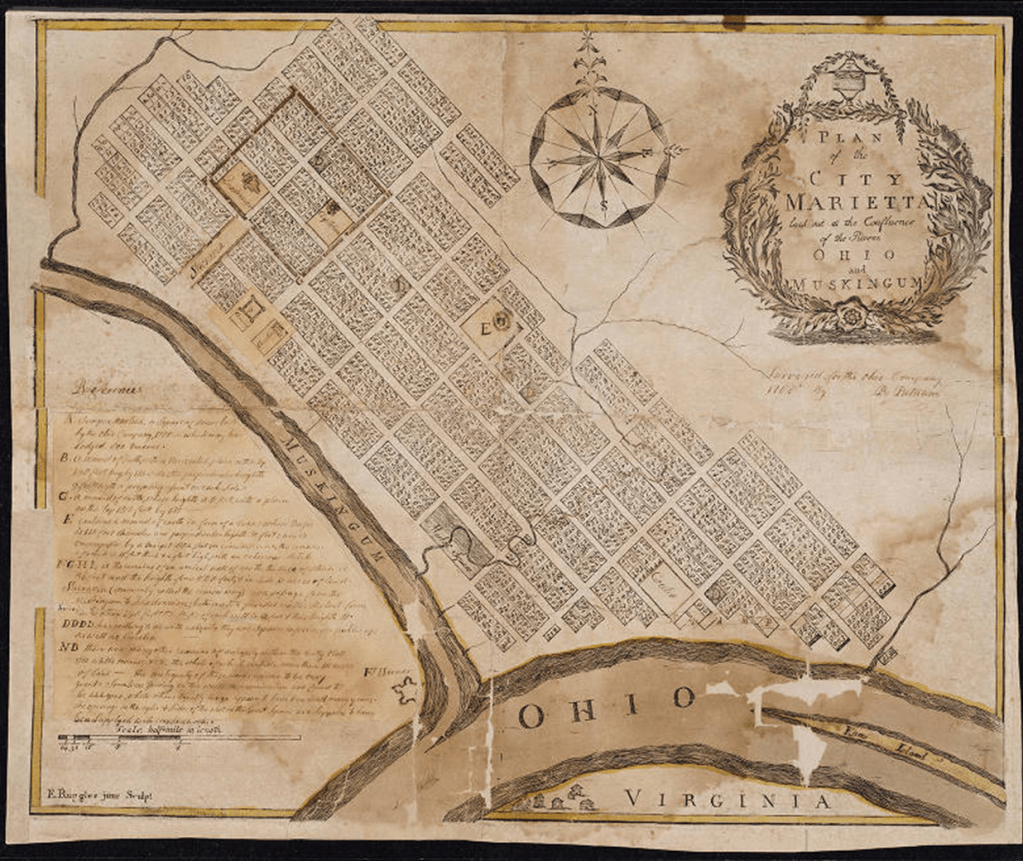
The fact that the field of preservation ignored this history, and still does to a large extent, is an example of the long standing oversight of the history of non-white Americans and an overemphasis on buildings as the only features that carry historical significance. This community was built around the history of Indigenous American’s but hasn’t been recognized until recently.
Marietta is not a perfect example of preservation though because the founders demolished environmental features that didn’t fit into their perfect grid system and in many instances used the mounds as a platform to build civic buildings like the library.
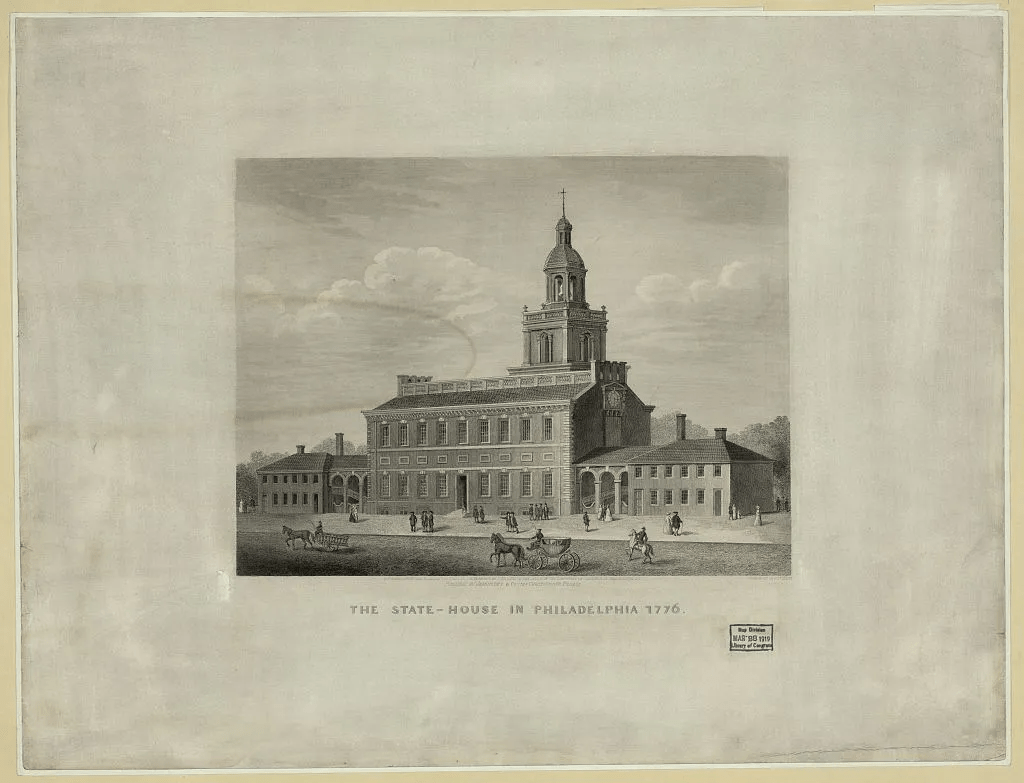
Yet another example that predates Mount Vernon, but took place roughly 30 years after Marietta was the fight to save Independence Hall. It is baffling how Independence Hall, the very location that the Declaration of Independence and the United States Constitution were signed, was under threat. The building, completed in 1735 for the Pennsylvania Assembly, was in a state of disrepair by the early 1800s. In 1812 the state demolished and replaced the wings and arched piazzas. The following year the Pennsylvania legislature released their plans to subdivide the land and sell it off to developers, using the proceeds from the sale to build a new statehouse in Harrisburg. Philadelphians responded with a targeted campaign to preserve the building and its lands which they felt contributed to civic health and marked important public acts not only for the state but for the Nation as a whole. In 1818 the city purchased the building and adjacent square for $70,000 and slowly began the restoration effort. Today the building sees hundreds walk through the halls on tours daily, reinforcing the value of the early preservation efforts to maintain the building.
What these three examples of early preservation efforts in the U.S. highlight are the early privately funded efforts of that started a movement that has evolved over the last nearly 240 years. Early preservation relied on organizations like the Mount Vernon Ladies Associations or the civic leaders of Philadelphia to save patriotic buildings for future generations. Or the value placed on historic sites in Marietta, Ohio by a developer. By the early 1900s the federal government began to act with the passing of the 1906 Antiquities Act, starting slow with its support of saving sites and buildings that tell important stories. Since its beginnings however, preservation has always been about advocating for retaining the structures that have the ability to unite generations and tell important stories.

 The Planning Lady

Leave a comment