
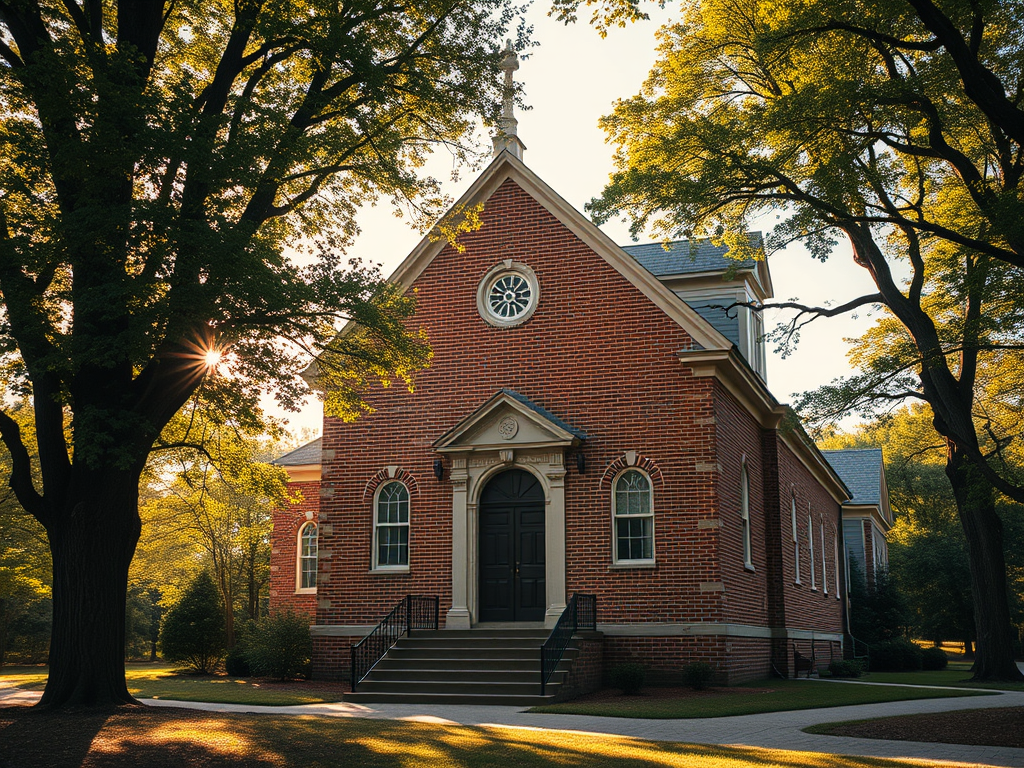
The Mount Vernon Ladies Association, a group formed for the sole purpose of saving George Washington’s stately home on the Potomac River from ruin in the 1850s, is the oldest national historic preservation organization. They formed during when America was still a young nation, less than 100 years old. Homes like Washington’s represented a lasting nation, one that would give permanence and stability. We could show that despite our age, we had history through maintaining sites that were older than our nation.
Despite their outsized influence on historic preservation, a number of other early preservation organizations helped shape the field today. First of these is the Association of Preservation of Virginia, first known as the Association for the Preservation of Virginia Antiquities. The organization grew from the Catharine Memorial Society which started in 1884 to honor the recently deceased daughter of Mrs. Cynthia Beverly Tucker Coleman. Catharine was only eleven when she died and Coleman organized the society for her childhood friends to learn sewing and do charitable projects in their friends honor. Coleman’s interest in building preservation began to grow and in 1886 she turned the work of the group to new channels. The first project was repair of the Bruton Parish Church and restoring the tombs and walls of the church yard. The goal of the group was to “Preserve just such records of the past as are attracting the interest and attention elsewhere. Not only are the monuments and tombs to be repaired but buildings in which stirring deeds have been enacted, and where they have been destroyed to mark the spot on which they stood.”

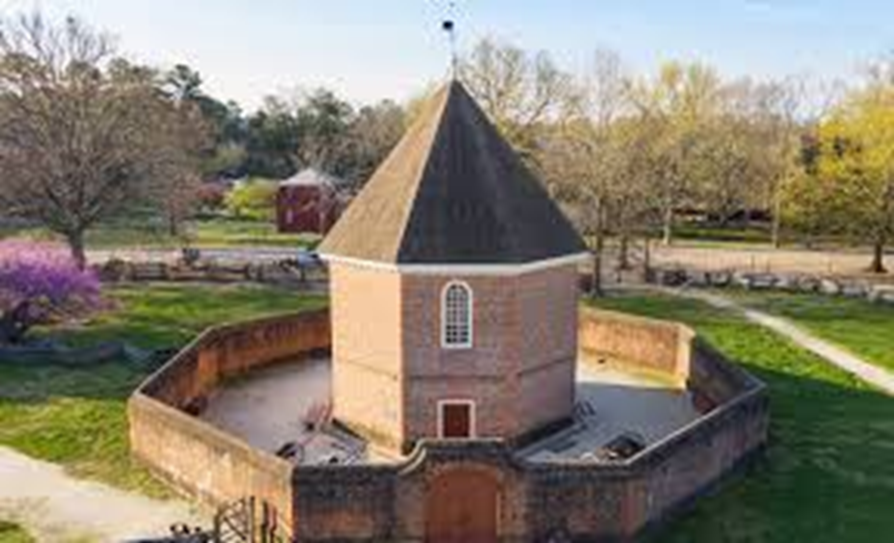
In 1889, with with the aid of Mary Jeffery Galt and building preservation as their focus, the organization evolved into the Association for the Preservation of Virginia Antiquities. Isobel Lamont Steward Bryan was their first president. The founding of the association was a step towards retaining a sense of purpose and cultural relevance during a time of upheaval for Virginia, having been hit for years with social, political, and economic upheaval following the Civil War. The groups first official act was protecting the Powder Magazine in Williamsburg. The building, commissioned by Governor Spotswood in 1714 as a storehouse for military supplies and equipment, remains an important historic site today with ongoing archaeological studies revealing artifacts from its nearly 300 year history.
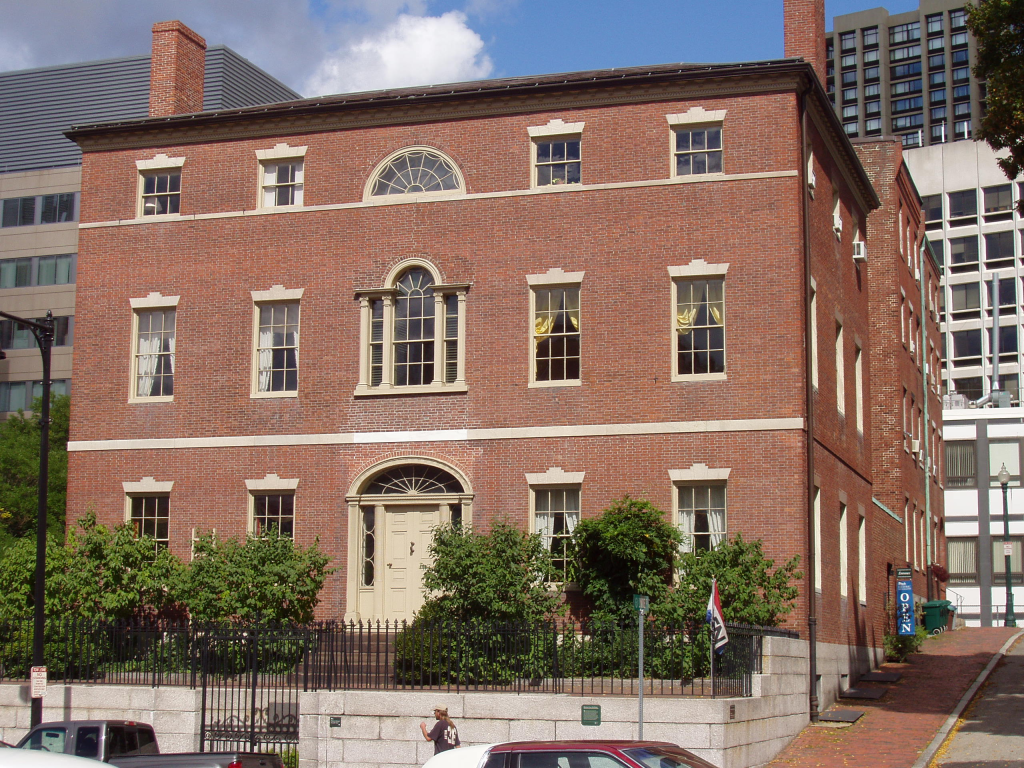
Decades later, the first historical society was formed by William Sumner Appleton. In 1910 he organized the Society for the Preservation of New England Antiquities, today known as Historic New England. Appleton’s mission was based on aesthetic preservation and focused on intrinsic architectural or aesthetic merit rather than a buildings association with great men or events, as was the standard of the day. Appleton had a special interest in the modest dwellings of the first settlers, which by the early 1900s were often falling into decay and lacking modern amenities. Over its history, the organization acquired ten 17th century houses, valuable sites of early medieval building methods in the U.S. One of it’s early acquisitions in 1916 was the Otis House in Boston, serving as their headquarters for many years. This move saved the building from demolition a few years later when Cambridge Street was widened. The organization is also host to the largest collection of New England artifacts comprising more than 125,000 decorative arts and objects and 1.5 million archival documents.
One of the last and more recent preservation organizations to stand out as the oldest, largest, or most impactful is the National Trust for Historic Preservation. Started in 1947 as the National Council, a congressional charter in 1949 gave it prominence. It is the only national, private, non-profit organization for historic preservation in the United States, modeled on the British National Trust which was founded in 1895. The Trust is funded by membership organizations, the National Park Service, and private donations. It’s membership exploded from just over 10,000 in 1966 to over 260,000 by 1999. The organization manages historic sites, operates historic tours, advocates for preservation action, and serves as a national advisor on preservation issues. They are also instrumental in helping local preservation organizations gain access to resources and to raise awareness for local preservation issues.
While they have a portfolio of 27 sites today, their first property was purchased in 1951. Woodlawn plantation, built in 1800-1805 by Dr. William Thornton, is a 126 acre estate originally part of George Washington’s Mount Vernon. Washington’s nephew, Major Lawrence Lewis and his wife Eleanor Custis Lewis, resided in the home. The main Federal-style house was designed by Thornton, the architect for the U.S. Capitol.

Historic preservation organizations are where the preservation movement traces its origins. Without these early groups organizing to advocate for and take action to preserve historic buildings, many of our nations early buildings would no longer be standing. Many more local preservation organizations have followed in their footsteps making the case for preservation in their own communities today.
 The Planning Lady
Leave a comment