
Tag: Architecture
-
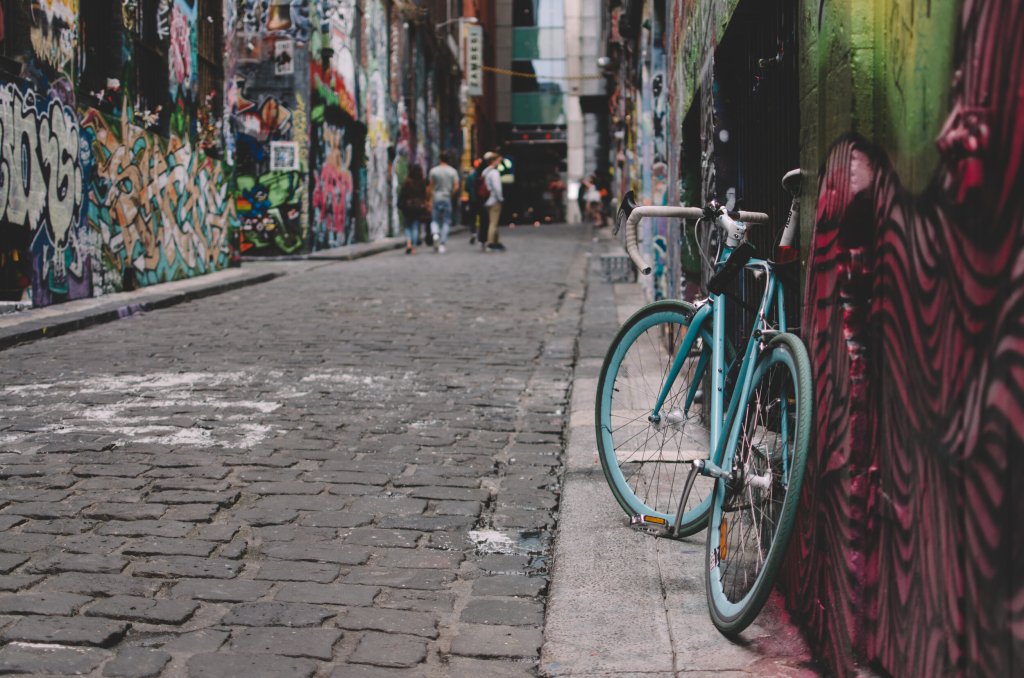
Economic Benefits of Saving Brick Streets
At the turn of the 20th century paving streets became a priority throughout the U.S. Prior to 1913, long distance travel was done via train. The lack of connectivity and adequately maintained roads made it prohibitive for anyone to travel in the newly invented automobile. With the support of the Good Roads Movement (which actually…
Written by
·
-

How Older Neighborhoods Promote Healthier Lifestyles
At one point in time, older neighborhoods, particularly urban centers, would not have been considered healthy. In the 1800s they were quite the opposite with squalid conditions leading to a rise in disease and death. By packing several families into one dimly lit, often damp apartment, public health was bound to decline. Row after row…
Written by
·
-

Why Old Homes Are Eco-Friendly
While not everyone is interested in living in an older home, many people seek out these gems because of their character and charm. A quaint bungalow or imposing colonial revival are just a few of the styles popular before WWII that stand out from the way we design today. Not only are older homes unique…
Written by
·
-
Creative Redevelopment: Old Retail Spaces Finding New Life
The first big box store reuse that I witnessed first hand was in Seward, Nebraska. For years, the original small scale Walmart store sat empty along Highway 15, less than a mile from the new Walmart Super Center that replaced it. For a town of just under 7,000 people it was hard to imagine it…
Written by
·
-

The Past and Future City
Book Review Places bring people together and relate our history. While preservation is thought of primarily as ornate and important buildings, it is often the ordinary buildings and neighborhoods that are imbued with meaning through stories and memories. Our sense of self is defined by places, where we are from and what we have learned…
Written by
·
-
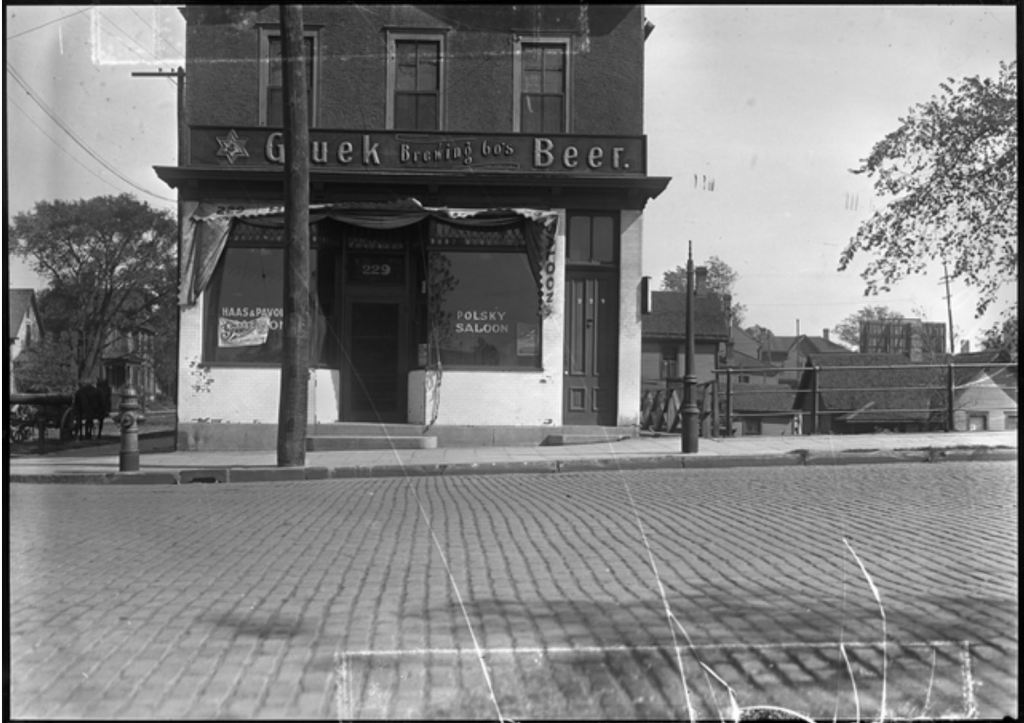
Historic Bars of Northeast Minneapolis: A Walk Through Time
I’m fascinated by the way cities used to look, with the corner grocery store, hardware store, restaurant, and of course bar, tucked into neighborhoods, spaced about a mile apart. The resident of the 1920’s city could walk to get everything they needed or take a trolley if they needed something just a little bit further. Peppered…
Written by
·
-
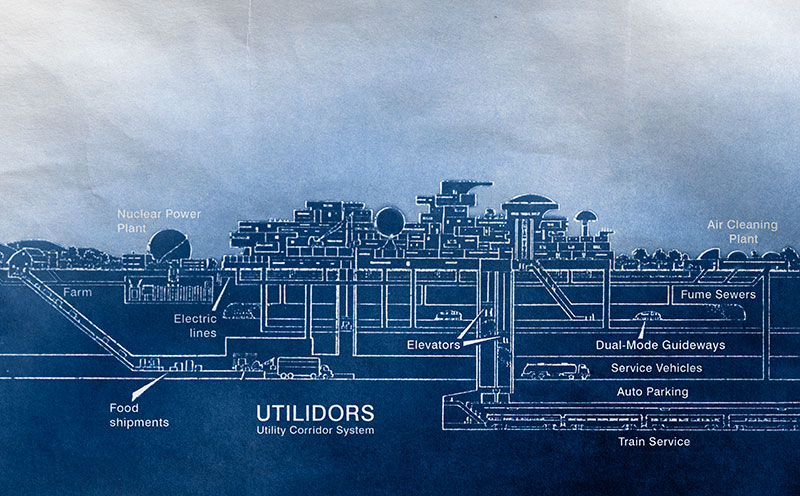
The Experimental City
A few weeks ago I took advantage of living in a city that has a population to support the routine showing of documentary films. I went to see The Experimental City presented by the Film Society of Minneapolis St. Paul that featured a Q&A with director Chad Freidrichs and Todd Lefko, member of the Minnesota Experimental…
Written by
·
-

The Art of Building Cities
Book Review My family has come to know that I love to read books, especially if they are related to planning. So this past Christmas, my sister-in-law gave me the Art of Building Cities by Camillo Sitte. I am surprised I have yet to come across this book, especially when I was conducting research for…
Written by
·
-
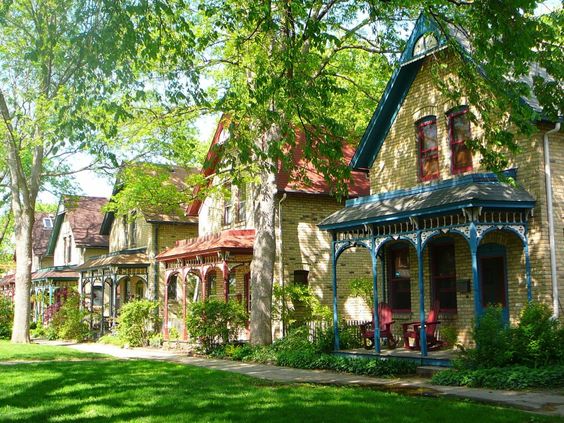
Milwaukee Avenue
Book Review When we first moved to Minneapolis, my husband and I relied heavily on our friends to navigate us as we biked around the city. On one of these early excursions, they took us on what seemed like a peculiar shortcut through the middle of a residential block. It was a wide sidewalk with…
Written by
·
-
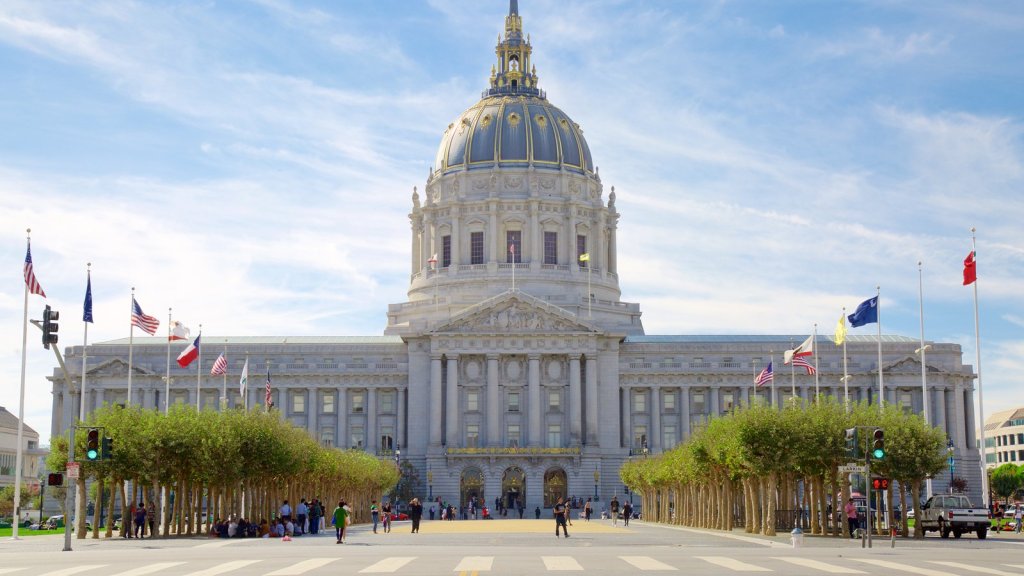
A Plaza for Protests
Today’s public squares have become remnants of the city beautiful movement, home to landscaped areas in a picturesque setting. They offer a nice place to sit for lunch, but little more. The purpose of the public square in history is rooted in government interaction and democracy. One that represents this and continues to function as…
Written by
·
 The Planning Lady